
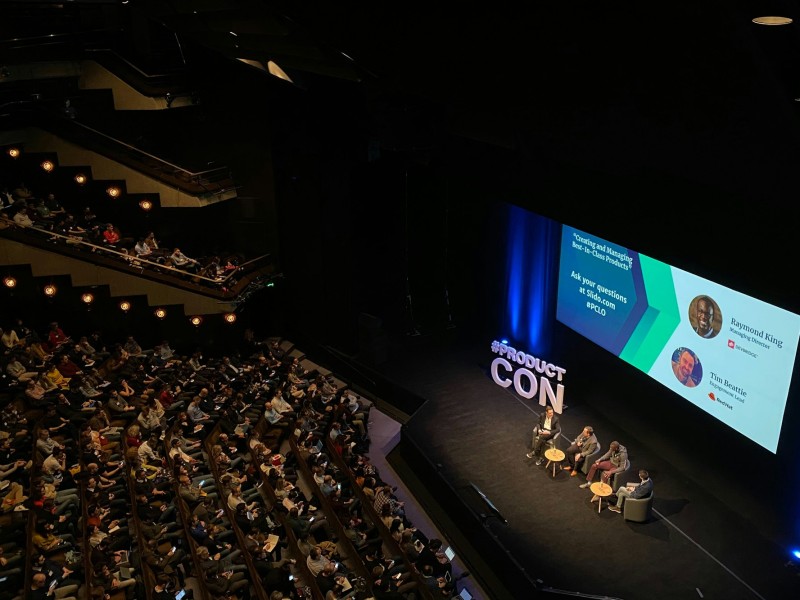
From objectives to reconciliation — a realistic timeline and checklist for planning a conference of around 300 delegates without last-minute panic.
A conference of around 300 delegates sits in a challenging middle ground. It is too large to organise informally, yet many organisations do not have a dedicated events team. The key is to start early and work backwards from the event date with a clear timeline.
Six months out: objectives, budget and format
- Define success. Is the conference about strategy alignment, recognition, learning or networking? The answer shapes the agenda, venue and budget.
- Set a realistic budget per delegate, covering venue, food and beverage, AV and production, delegate travel, accommodation, content and contingency (typically 10%).
- Agree the format: number of days, plenary versus breakouts, in-person only or hybrid.
- Choose dates that avoid major holidays, financial year-end and large city events that inflate hotel rates.
Five months out: destination and venue
For 300 delegates you need a plenary room that seats everyone comfortably in your preferred layout — theatre, classroom or cabaret — plus breakout rooms and space for meals and networking. Shortlist three venues, conduct site visits and compare complete costs, not just room rates. Check accessibility, airport transfer times and the hotel's experience with groups of your size.
Four months out: contracts and key suppliers
- Sign the venue contract, paying close attention to attrition clauses, cancellation terms and food-and-beverage minimums.
- Appoint production and AV partners and brief them on the format.
- Block group air fares from the main origin cities if delegates are travelling from multiple locations.
- Confirm keynote speakers and their travel requirements.
Three months out: registration and communications
Open registration with a simple form that captures travel origin, dietary requirements, accessibility needs and session preferences. Send a save-the-date followed by a full invitation. Agree a communications calendar with reminders and practical information.
Two months out: travel, rooming and agenda
- Book delegate flights and transfers, and build rooming lists.
- Finalise the agenda, session timings and speaker briefs.
- Design the stage, signage and branded materials.
- Plan evening events — a welcome reception and perhaps a gala dinner.
One month out: detailed run-of-show
Create a minute-by-minute run-of-show covering every session, transition, meal and evening event, and share it with all suppliers. Confirm final numbers with the venue, finalise menus and prepare a delegate information pack with the agenda, venue map, Wi-Fi details and emergency contacts.
Two weeks out: rehearse and reconfirm
- Reconfirm every booking and supplier.
- Collect speaker presentations and test them with the AV team.
- Brief the on-site team, including registration desk staff and transfer coordinators.
- Prepare contingency plans for weather, speaker cancellations and technical failures.
Event days: control and calm
Set up an operations room with a radio or messaging channel linking all key team members. Run a full technical rehearsal the day before. During the event, a single event manager should make on-the-spot decisions so that issues are resolved quickly and quietly.
After the event: close properly
Collect delegate feedback within 48 hours while it is fresh. Reconcile all supplier invoices against contracts and the approved budget, and hold a debrief with the organising team to capture lessons for next year.
Common pitfalls
- Underestimating delegate travel complexity from many cities.
- Ignoring attrition clauses and paying for unused rooms.
- Overpacking the agenda, leaving no time for networking.
- Leaving AV decisions until late, when choices and budget are limited.
If you are planning a conference of this size, our MICE team can manage everything from venue sourcing to reconciliation — or support your in-house team with the elements you need.


